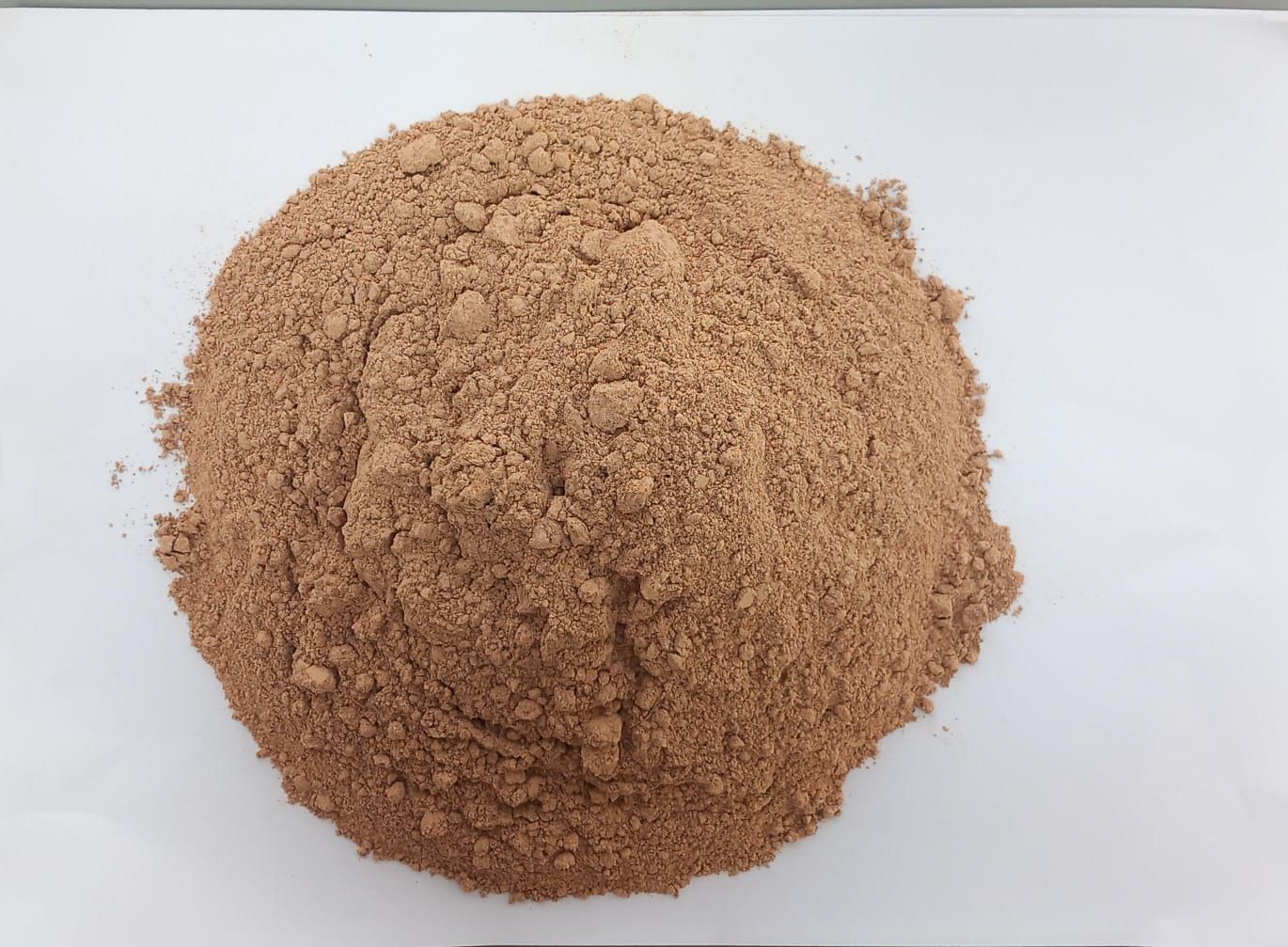
The Ministry of Commerce, Industry and Investment Promotion, represented by the Directorate General of Standards and Metrology, has adopted the first national standard specification for Omani mortar. This initiative reflects the Ministry's commitment to supporting national identity and enhancing the quality of traditional construction. The standard aims to preserve the identity of Omani architecture and ensure the quality use of this heritage material in the restoration of historical buildings and modern projects, thus contributing to the preservation and sustainability of ancestral heritage. Prior to its adoption, a team of specialists and engineers studied samples of Omani mortar and analyzed their technical properties. Fatima bint Ali bin Ahmed Al-Sariri, Head of the Chemical, Petroleum and Building Materials Standards Section at the Directorate General of Standards and Metrology, explained that this achievement is the culmination of continuous efforts undertaken by the Directorate within the work program of the Chemical, Petroleum and Building Materials Standards Section. She added that these efforts resulted in the development of Omani Standard No. (OS 1657/2025) in both Arabic and English, following a review of Gulf and international standards and relevant scientific references. She stated that the Directorate formed a working group comprising representatives from the Ministry of Heritage and Tourism and the Ministry of Transport, Communications and Information Technology, along with specialized engineers from the private sector and the Industrial Innovation Academy, and researchers in traditional architecture from the academic sector. She indicated that the team embarked on a field research journey encompassing several ancient forts, during which samples of authentic mortar were studied and their composition analyzed in terms of clay content, firing temperature, particle size, and manufacturing methods. Multiple tests were also conducted on the material, including the percentage of loss during firing, the strength-activity coefficient, the percentage of particle residues, and moisture content, to ensure the suitability of Omani mortar for modern construction requirements, ultimately leading to the establishment of the essential criteria for the standard specification. Fatima Al-Sariri emphasized that the adoption of the Omani standard specification for Omani mortar opens new horizons for the production of this heritage material according to scientific and standardized principles. This ensures its sustainable use in the restoration of historical buildings and the preservation of the architectural identity of the Sultanate of Oman. She noted that this achievement embodies a national success story that highlights the integration of institutional and scientific efforts and deserves to be recounted to future generations. The specification included a definition of Omani mortar and its physical and chemical properties, raw material quality requirements and manufacturing processes, sampling, packaging, and storage procedures, as well as durability, compression, and absorption tests. It also mandated that explanatory data be included on packaging in both Arabic and English. The adoption of the Omani standard specification for Omani mortar represents a significant economic dimension, as it enables local manufacturers to produce this material according to approved scientific standards. This enhances confidence in the national product, contributes to creating new job opportunities, reduces reliance on imported materials, and improves the quality of restoration and construction work. Furthermore, it contributes to revitalizing the tourism sector by enabling the restoration of castles and historical buildings using an authentic material. It also gives mortar added value as a marketable and exportable national product. Moreover, as a natural and environmentally friendly material, it supports green building practices and gives the Sultanate of Oman a competitive advantage in sustainable development projects. Those interested can obtain the Omani standard specification for Omani mortar (OS 1657/2025) through the Omani Standards Store website.